OTTAWA — Connectica reporting
The IIHF says Canada will remain host of the Edmonton–Red Deer tournament despite a Court of Arbitration for Sport ruling ordering Russia's reinstatement, as the Russian federation threatens legal action and compensation.
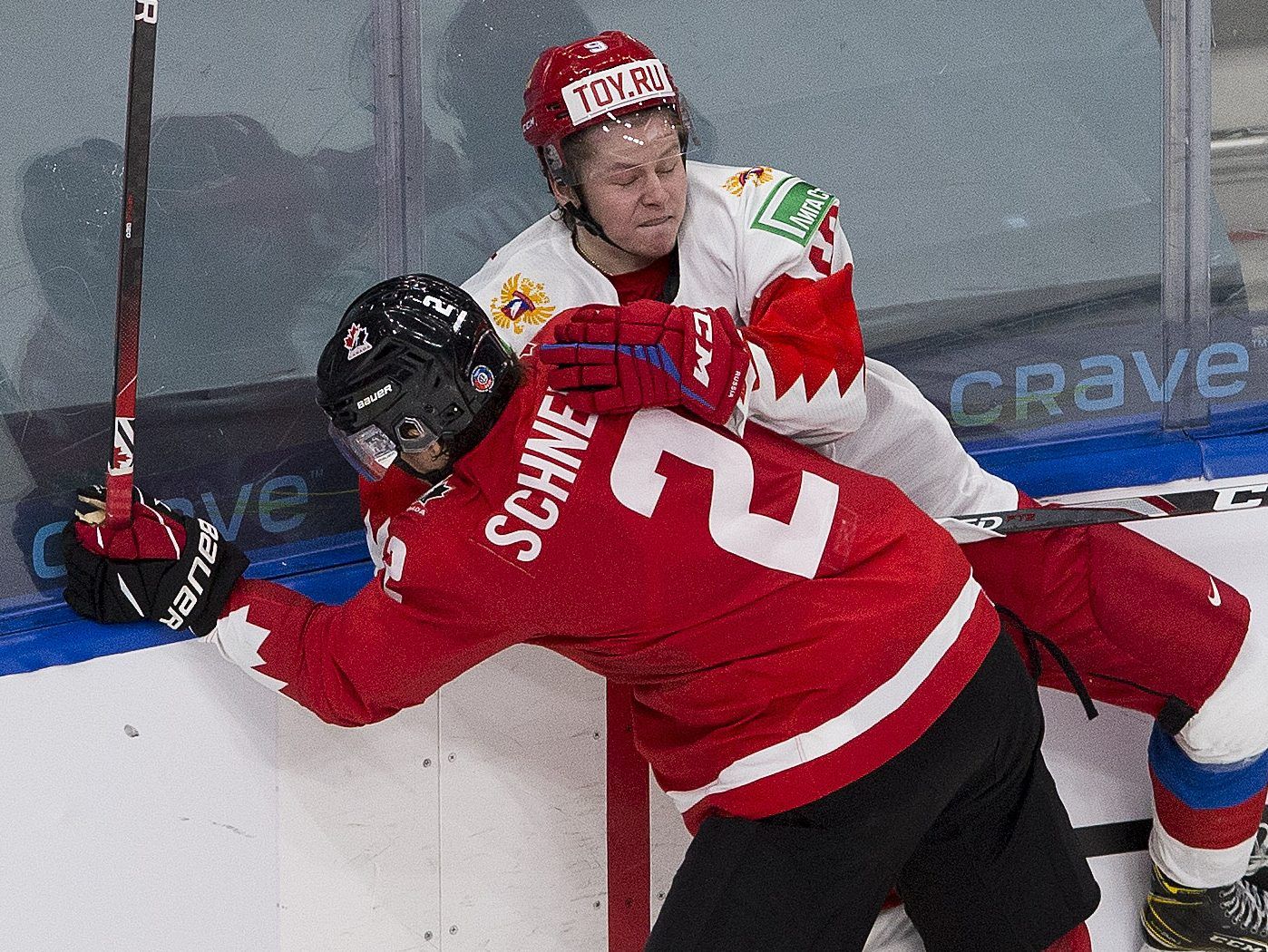
The International Ice Hockey Federation confirmed Sunday that Russia will not ice a team at the world junior championship in Alberta, citing restrictions put in place by the federal government. The tournament will proceed as scheduled in Edmonton and Red Deer from Dec. 26 to Jan. 5, with Canada remaining as host. The IIHF said it assessed the feasibility of alternative arrangements before deciding to keep the event where it is, and that participating national associations have been informed an updated competition schedule will be posted shortly.
The decision follows an Oct. 30 ruling by the Court of Arbitration for Sport that upheld an appeal by the Russian Ice Hockey Federation and cleared Russian teams to compete in five IIHF events this season: the world juniors, the under-18 men's and women's championships and the senior men's and women's worlds. The IIHF had previously barred Russia from those events over security and safety concerns. Russia and Belarus have been excluded from international hockey since 2022, after Russia's invasion of Ukraine.
Ottawa's position was set out before the IIHF's confirmation. Prime Minister Mark Carney said Nov. 3, at a meeting of Commonwealth countries in Antigua, that Russian and Belarusian athletes would be barred from competing in Canada for as long as the war in Ukraine continues. A joint statement from Foreign Affairs Minister Anita Anand, Immigration Minister Lena Metlege Diab and secretary of state for sport Adam van Koeverden said Canada's position has not changed because Russia's actions have not changed. Ottawa later clarified that even Russian players holding valid visas would be kept out of the tournament.
Several national federations had already said they would not face Russian teams. Finland's federation said Nov. 2 that its teams would not play Russia while the war continued, and Sweden, Czechia and Latvia followed, according to CBC. The Toronto Sun reported that Denmark, Finland, Latvia, Norway and Sweden had made similar commitments. Sweden, the defending world junior champion, said its position was that it would not play hockey matches against Russia in the current situation.
Norway's place in the field was the subject of competing accounts. Its federation had said it would be bumped from the top-tier tournament to make room for Russia, a move the IIHF never confirmed publicly. After Sunday's decision, Norway's federation said its team will remain in the top tier rather than drop to Division 1A, which it won last season to qualify.
The Russian Ice Hockey Federation called the IIHF's decision unacceptable and unlawful, saying it was made for political reasons and violated both the CAS ruling and an agreement under which the IIHF committed to implement that ruling immediately. The federation said it is working with the Russian Olympic Committee on an appeal to the International Olympic Committee and will pursue all available legal avenues, including reparation for harm caused. Its president, Vladislav Tretiak, had earlier told the TASS news agency that Russia would seek compensation from Canada and that the IIHF should relocate or cancel the tournament if Russia could not enter the country. Russian ambassador to Canada Oleg Stepanov also criticized Ottawa's stance.
The CAS defended its ruling, saying the IIHF had not provided sufficient evidence to justify continuing the ban and that the decision rested strictly on legal arguments and evidence presented. The dispute also touches the women's world championship scheduled for Quebec City in November 2027, one of the events covered by the CAS decision.
For Alberta, the IIHF's confirmation settles the immediate question of whether the host cities would lose the event, which runs through the peak holiday period. What remains open is the schedule, which the IIHF said would be republished shortly, and the legal exposure created by the Russian federation's threat to seek compensation from Canada rather than from the federation itself.
Reported with files from Toronto Sun, CBC News Politics.
Connectica provides information only, not financial, investment or legal advice.